A visual guide to artisanal and small-scale mining (ASM) of tantalite
Tantalum (Ta)
All, Miners
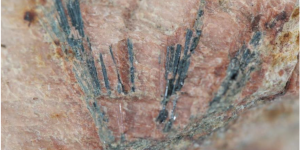
In 2013/2014 Ulric Schwela, T.I.C.’s then Technical Officer, visited ASM mine sites in Burundi, DRC and Rwanda. These photographs show typical tantalite ASM processes, although in reality operations vary considerably.
Tantalum capacitors offer excellent stability in harsh conditions, high energy and power volumetric efficiency and low parametric shift with lifetime, properties which make them ideal in several applications for the
Superalloys are high-performance alloys known for their high melting temperatures, strength, and resistance to wear in corrosive and oxidising environments. They are primarily used in the hottest parts of gas
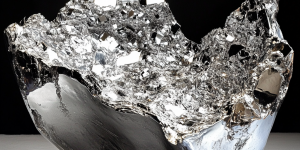
Tantalum is widely used in electronic capacitors for smartphones, automotive systems, and wind turbines. It also enhances cutting tools, SAW filters, optical lenses, chemical process equipment, and medical devices like
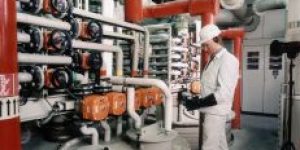
The extraction and refining of tantalum, including its separation from niobium in various tantalum-containing mineral concentrates, is generally accomplished by treating the ores with a mixture of hydrofluoric and sulfuric
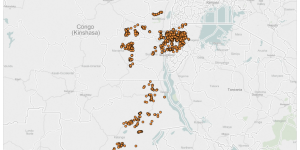
Extraction or production of tantalum raw materials is widespread, encompassing primary industrial mining, artisanal mining, as a secondary mineral, or as a by-product. Brazil is currently the major producer, with
To calculate the value of a tantalum mineral, the main principle is that only the quantity of Ta₂O₅ contained is paid for, not the whole bulk of material. Basically, the
Niobium and tantalum raw materials can contain low levels of the radioactive elements thorium (Th) and uranium (U), leading to them being classified as naturally occurring radioactive materials (NORM). International
Due diligence ready! is dedicated to small and medium-sized enterprises (SMEs) with minerals and metals in their supply chain, focusing on, but not limited to, tin, tantalum, tungsten and gold.
The Tantalum-Niobium International Study Center (T.I.C.) outlines Conflict-Affected and High-Risk Areas (CAHRAs) as regions impacted by armed conflict, weak governance, and human rights violations. Adhering to OECD and EU guidelines,
The Tantalum-Niobium International Study Center (T.I.C.) defines the "Supply Chain" as encompassing all aspects related to the responsible sourcing of tantalum minerals, with a particular focus on due diligence, especially